Water & Sewer Infrastructure
Water & Sewer Infra-
structure
Water & Sewer Infra-
structure

Water and sewer infrastructure is the backbone of every community. Behind every flowing tap and flushing toilet lies an intricate network of pipelines that must operate safely, efficiently, and reliably—often without public awareness. For those of us in the pipeline industry, our job is to ensure these essential systems not only function properly today but continue to meet demand decades into the future.

The Process of Installing Infrastructure
Designing for Durability
This starts with thoughtful planning and route optimization, taking into account topography, soil conditions, anticipated population growth, and ease of access for future maintenance.
Installation Without Disruption
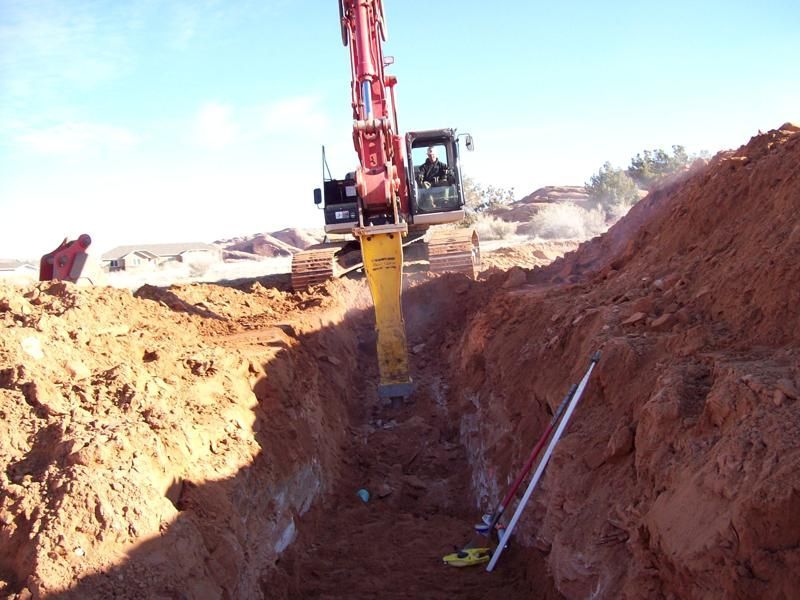
Installing water and sewer pipelines requires navigating developed areas and congested roadways. Minimizing disruption to communities and landscapes is always a priority.
Maintenance & Management
Once installed, infrastructure requires ongoing inspection and maintenance. For water systems, maintaining pressure, monitoring for leaks, and protecting against corrosion are crucial.
ensEnsuring Stability & Longevity For Grading
Slope Stabilizations
nsuring proper grading prevents landslides and soil shifting, which can compromise pipeline integrity over time. Properly compacted soil reduces the likelihood of settling.
Erosion Control
In arid regions, wind erosion is a concern, while in higher elevations, water runoff can lead to trench instability. Installing silt fences, vegetation, or retaining walls helps mitigate these risks.
Reclamation Planning
Once grading is complete, companies must plan for land reclamation, restoring the area to its natural state or an improved condition, per state and federal guidelines. S&S cares about the ecosystem.
Installation, Maintenance, and Reliability
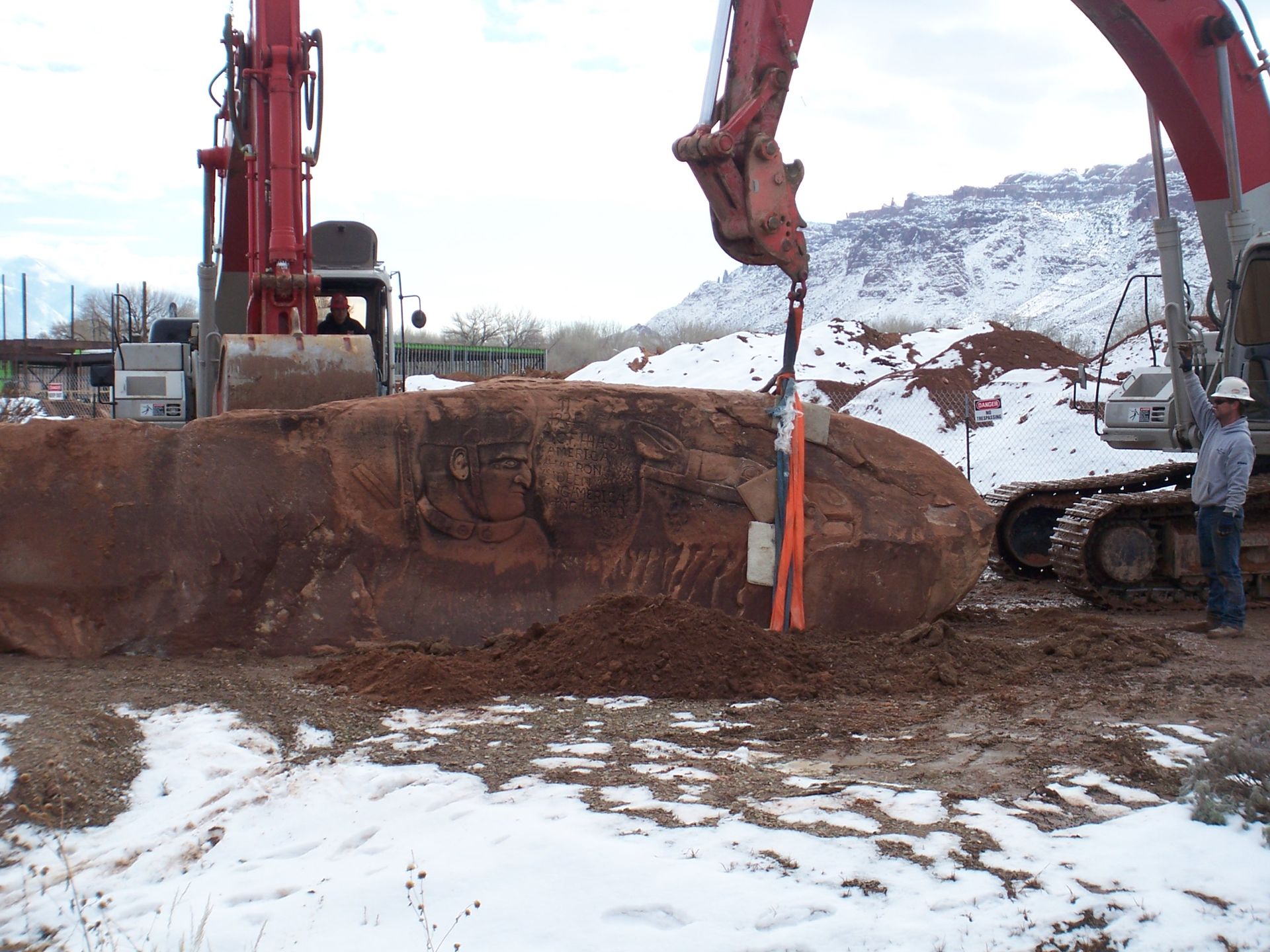
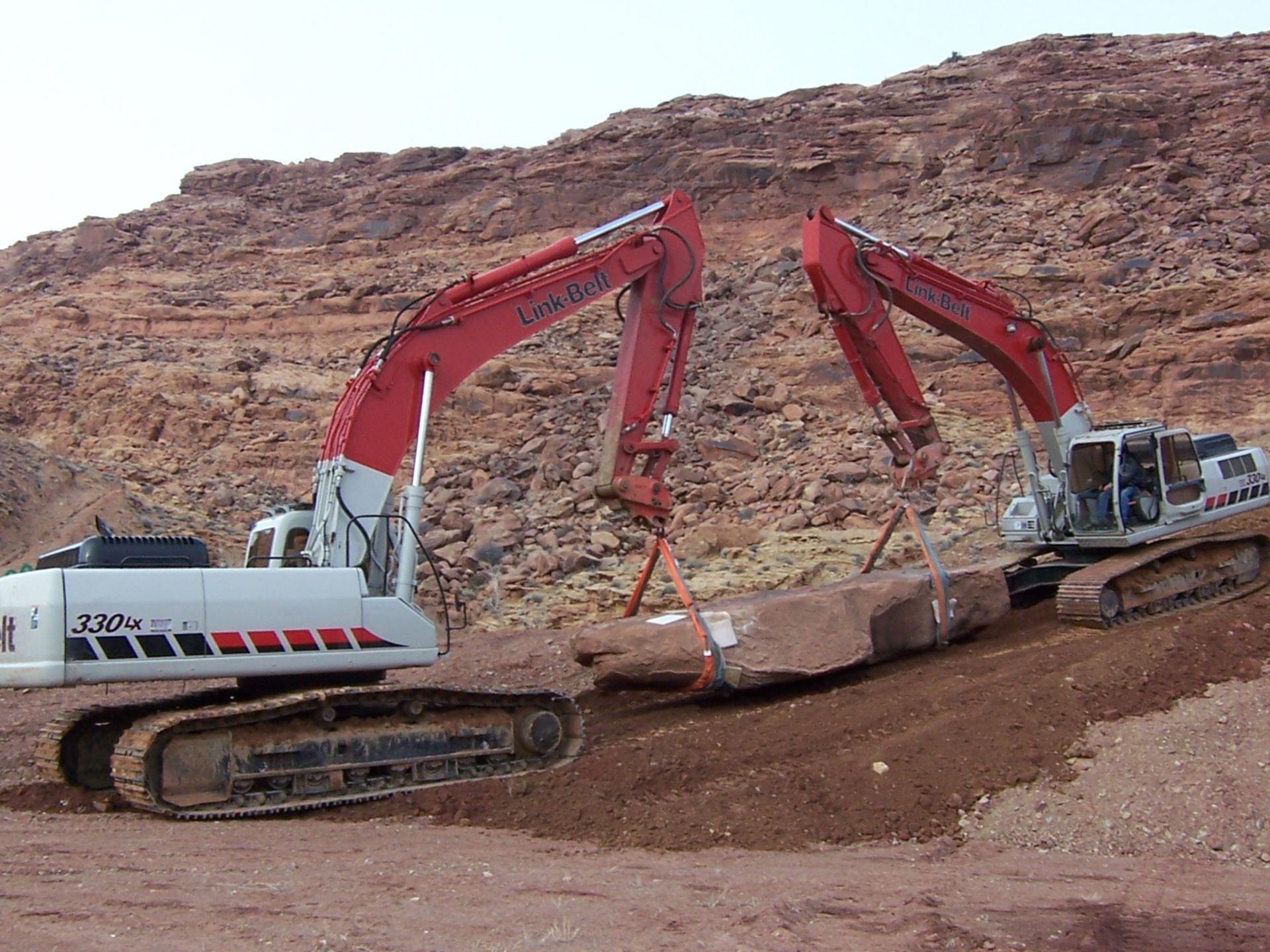
Installing water and sewer pipelines often requires navigating developed areas, congested roadways, or environmentally sensitive terrain. Minimizing disruption to surrounding communities and landscapes is always a priority. Trenchless methods, such as directional boring or pipe bursting, are increasingly used to reduce surface disturbance and shorten construction timelines.
We also emphasize safety and environmental stewardship throughout the process. Proper bedding, joint sealing, backfilling, and surface restoration are non-negotiables for a durable and clean finish. And for sewer systems, special attention is paid to preventing infiltration and inflow (I&I), which can burden treatment facilities and pose environmental risks.
Once installed, water and sewer infrastructure requires ongoing inspection and maintenance. For water systems, maintaining pressure, monitoring for leaks, and protecting against corrosion are key tasks. In sewer systems, the focus often shifts to preventing blockages, managing root intrusion, and identifying structural deterioration before it leads to failures.
Technology plays a growing role in these efforts. From remote sensors that detect leaks and pressure changes to robotic sewer cameras that inspect pipe interiors, modern tools allow us to take a proactive approach to infrastructure health. Preventative maintenance not only saves money—it helps avoid the public health risks and environmental damage associated with system failures.
Water and sewer pipelines are not glamorous, but they are among the most vital systems in modern society. Their failure can be catastrophic; their success is often invisible. That’s why we approach every project—whether it’s new construction, rehabilitation, or emergency repair—with the same level of care and precision. Our role is to build infrastructure that communities can count on—not just for today, but for generations. From planning to installation to long-term maintenance, we take pride in delivering systems that work quietly, efficiently, and reliably beneath the surface.
Speak to an Expert Today
Contact Us
We will get back to you as soon as possible.
Please try again later.
JARRELL OFFICE
MOAB UTAH OFFICE