Demolition

Demolition is a critical component of many projects, particularly in areas with existing infrastructure, outdated systems, or development in previously occupied land. For Utah pipeline companies, demolition must be carefully executed to clear the way for new construction while prioritizing safety, environmental stewardship, and regulatory compliance. Whether working in rural expanses, industrial zones, or near residential communities, demolition requires strategic planning and expert execution.

Crucial Aspects of Building Demolition
Hazard & Site Assessment
Before demolition begins, crews perform thorough site assessments to identify risks such as unstable structures, underground utilities, or environmental hazards. This step is critical to plan safe and efficient removal.
Structure Dismantling & Clearing
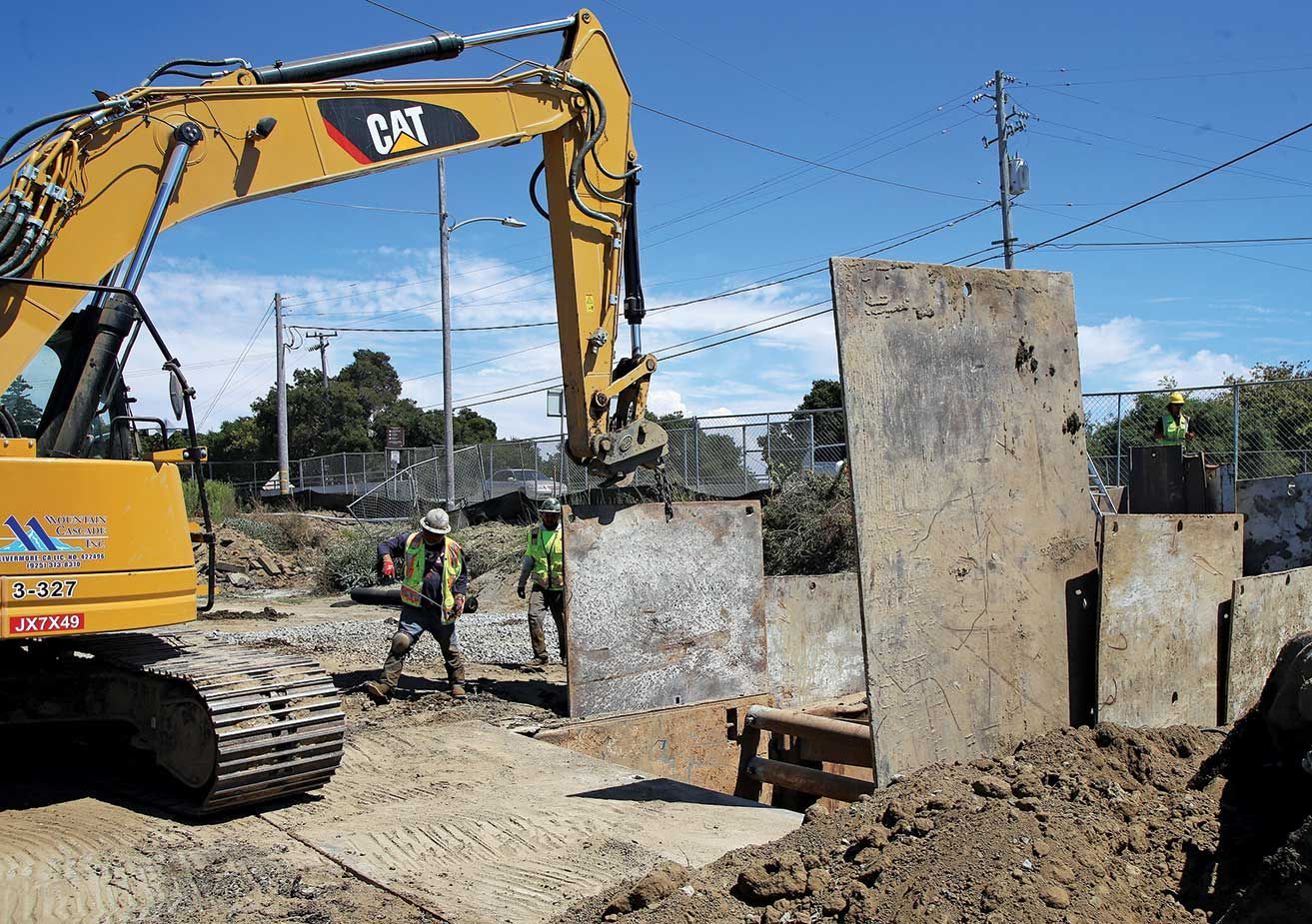
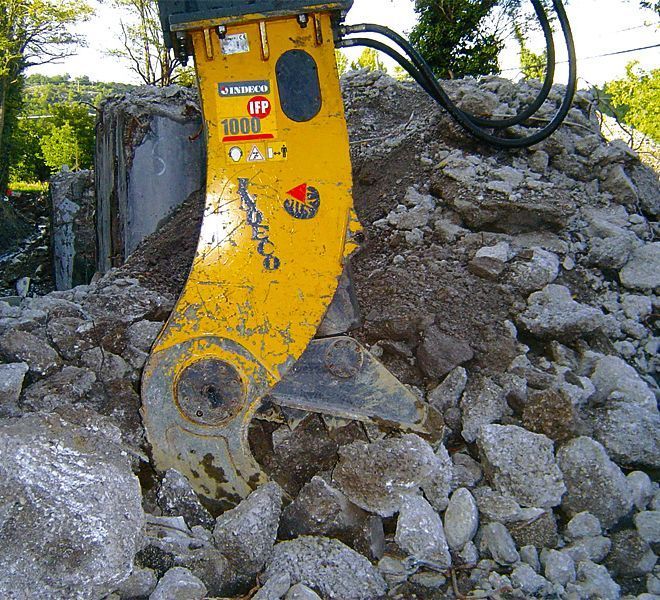
Structures are carefully dismantled using heavy equipment such as excavators, breakers, and loaders. In urban areas, controlled demolition techniques are employed to limit disruption to surrounding properties.
Site Restoration & Grading
Once demolition is complete, the site is graded and stabilized, making it ready for trenching and pipeline installation. Restoration may include reseeding vegetation or installing temporary erosion control systems.
Crucial Aspects of Pipeline Demolition
Hazard & Site Assessment
Before demolition begins, crews perform thorough site assessments to identify risks such as unstable structures, underground utilities, or environmental hazards. This step is critical to plan safe and efficient removal.
Structure Dismantling
Structures are carefully dismantled using heavy equipment such as excavators, breakers, and loaders. In urban areas, controlled demolition techniques are employed to limit disruption to surrounding properties.
Site Restoration & Grading
Once demolition is complete, the site is graded and stabilized, making it ready for trenching and pipeline installation. Restoration may include reseeding vegetation or installing temporary erosion control systems.
The Purpose of Demolition in Pipeline Work
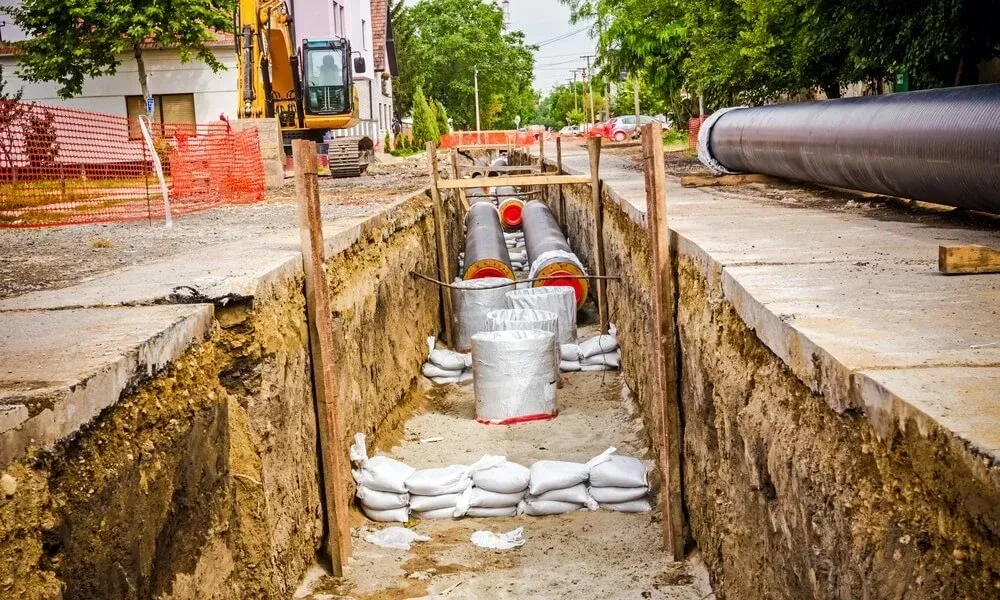
Demolition in projects involves the removal of existing structures, obsolete pipelines, concrete foundations, and other obstacles that interfere with construction. It is often the first physical step after site preparation, setting the stage for excavation, trenching, and pipe installation. In Utah, where older infrastructure may intersect with new development zones, demolition may involve aging utility systems, storage tanks, or abandoned facilities. These must be safely dismantled and removed before pipeline construction can proceed.
Utah pipeline companies must navigate a complex framework of local, state, and federal regulations when it comes to demolition. This includes proper handling and disposal of hazardous materials like asbestos, petroleum residues, and lead-based components, especially in older industrial structures. Environmental protection is a top priority. In sensitive ecosystems such as those found in southern Utah, demolition activities are carried out with minimal disruption to surrounding landscapes. Dust suppression, noise mitigation, and erosion control measures are essential to maintain environmental compliance. Permitting is another crucial step. Demolition plans must be reviewed and approved by city or county officials, and may require input from the Utah Department of Environmental Quality (DEQ), Bureau of Land Management (BLM), or other agencies, depending on the project’s location.
Key Aspects of Building Demolition:
- Hazard Identification and Site Assessment: Before demolition begins, crews perform thorough site assessments to identify risks such as unstable structures, underground utilities, or environmental hazards. This step is critical to plan safe and efficient removal.
- Structural Dismantling and Clearing: Structures are carefully dismantled using heavy equipment such as excavators, breakers, and loaders. In urban areas, controlled demolition techniques are employed to limit disruption to surrounding properties.
- Debris Management and Recycling: Materials such as metal, concrete, and piping are sorted and processed for recycling or proper disposal. Utah companies prioritize sustainable practices that reduce waste sent to landfills and recover valuable resources.
- Site Restoration and Grading: Once demolition is complete, the site is graded and stabilized, making it ready for trenching and pipeline installation. Restoration may include reseeding vegetation or installing temporary erosion control systems.
Safety is paramount during demolition. Crews are trained in OSHA standards and industry best practices for demolition work. This includes proper use of personal protective equipment (PPE), fall protection, equipment operation, and emergency procedures. Routine inspections, safety briefings, and hazard mitigation plans are integrated into every demolition phase to prevent accidents and ensure crew readiness.
Demolition plays a foundational role in pipeline construction projects across Utah. By approaching it with precision, responsibility, and a focus on safety, we ensure that new infrastructure can be built efficiently and sustainably. With the right expertise and planning, demolition becomes more than removal—it becomes the first step toward progress and long-term success.
Speak to an Expert Today
Contact Us
We will get back to you as soon as possible.
Please try again later.
JARRELL OFFICE
MOAB UTAH OFFICE