
Excavation and grading are essential steps in the pipeline construction process, ensuring safe, efficient, and durable infrastructure. In Utah, where diverse landscapes range from arid deserts to mountainous terrain, proper excavation and grading techniques are crucial for maintaining pipeline integrity, minimizing environmental impact, and adhering to state and federal regulations.

Ensuring Stability and Longevity For Grading
Slope Stabilization
Ensuring proper grading prevents landslides and soil shifting, which can compromise pipeline integrity over time. Properly compacted soil reduces the likelihood of settling.
Erosion Control & Compaction
In arid regions, wind erosion is a concern, while in higher elevations, water runoff can lead to trench instability. Installing silt fences, vegetation, or retaining walls helps mitigate these risks.
Reclamation Planning
Once grading is complete, companies must plan for land reclamation, restoring the area to its natural state or an improved condition, per state and federal guidelines or regulations.
ensEnsuring Stability & Longevity For Grading
Slope Stabilizations
nsuring proper grading prevents landslides and soil shifting, which can compromise pipeline integrity over time. Properly compacted soil reduces the likelihood of settling.
Erosion Control
In arid regions, wind erosion is a concern, while in higher elevations, water runoff can lead to trench instability. Installing silt fences, vegetation, or retaining walls helps mitigate these risks.
Reclamation Planning
Once grading is complete, companies must plan for land reclamation, restoring the area to its natural state or an improved condition, per state and federal guidelines. S&S cares about the ecosystem.
Choosing aN Experienced Pipeline Company
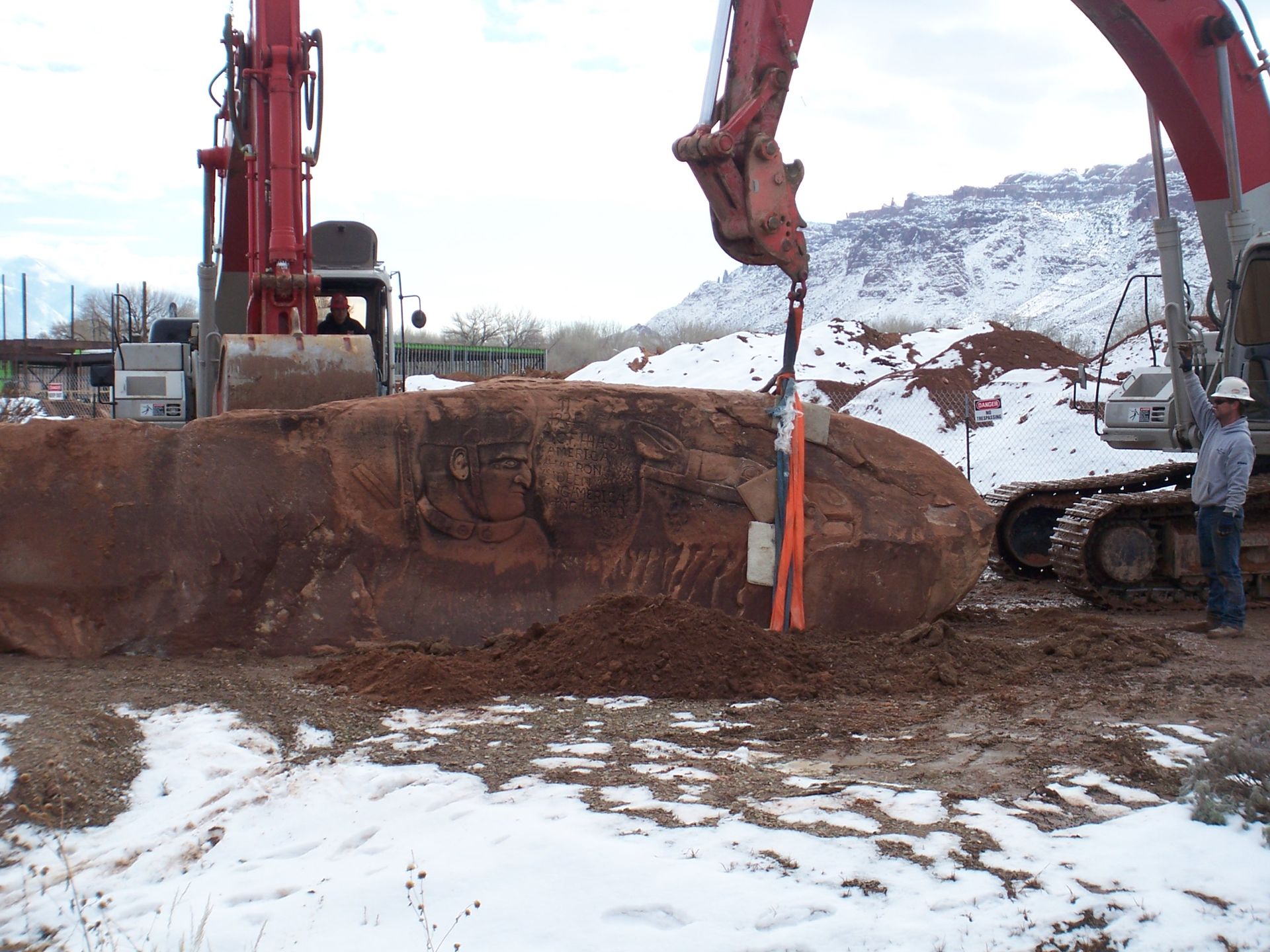
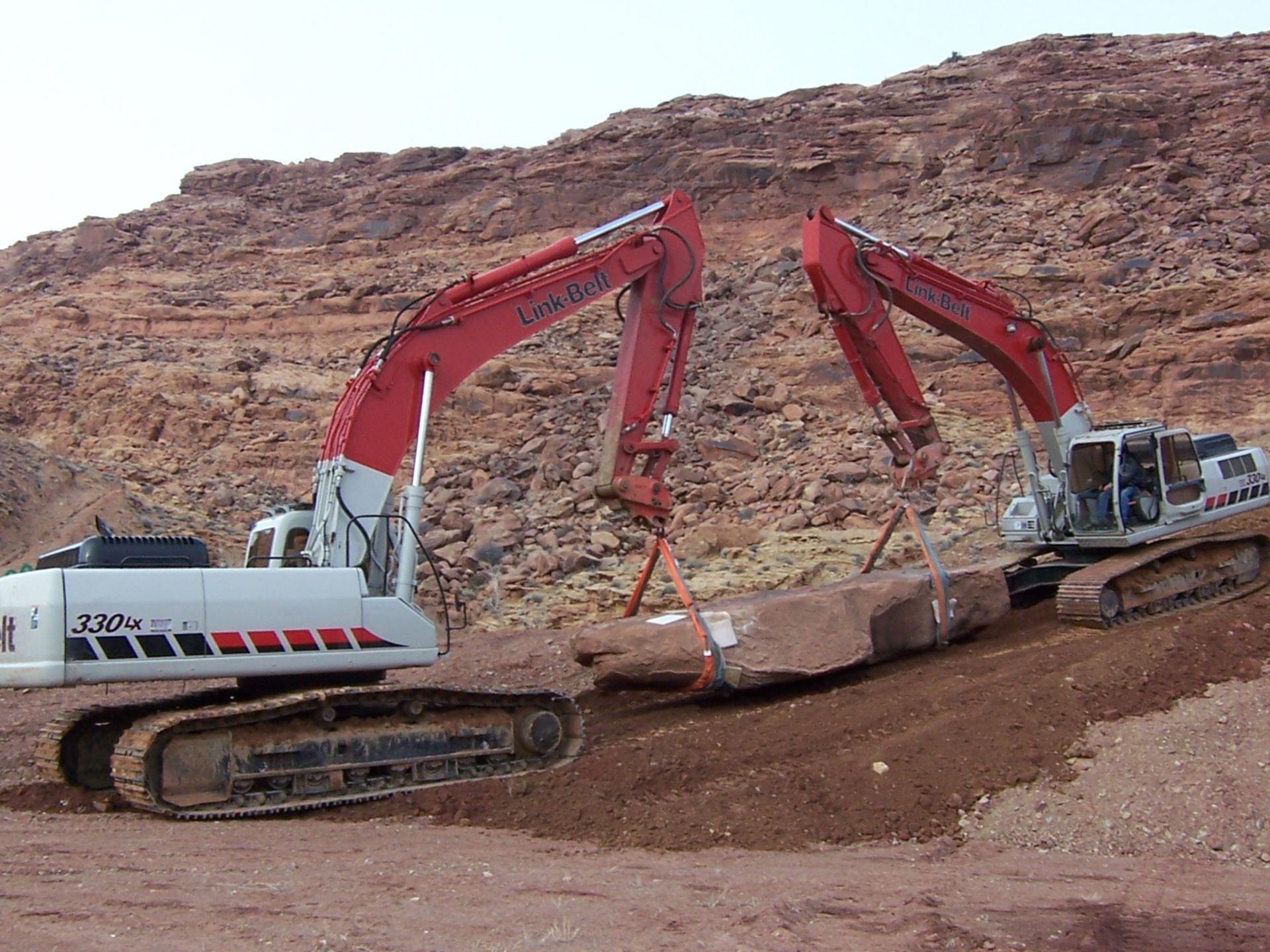
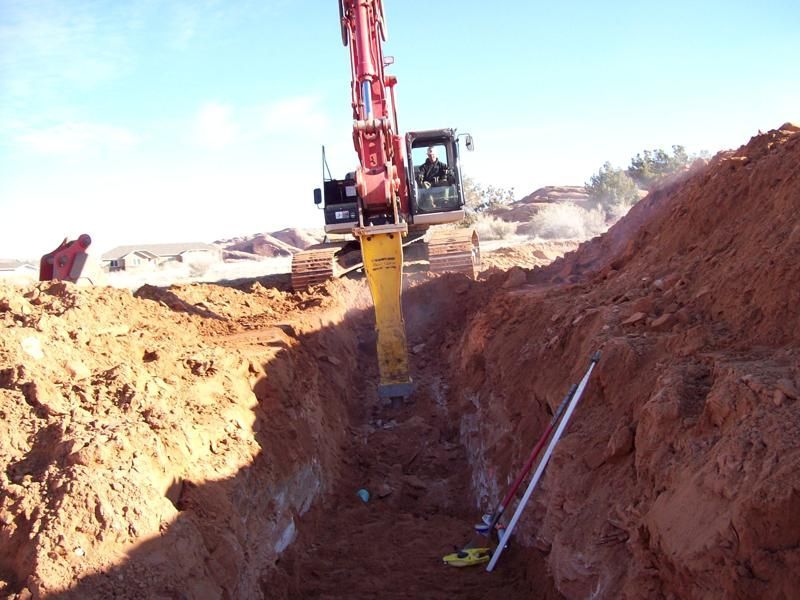
Excavation involves removing soil and rock to create a trench for pipeline installation. This process must be carefully planned to accommodate Utah’s varied topography, from rocky highlands to sandy basins. Pipeline companies must conduct thorough site assessments to determine soil stability, underground utility locations, and potential environmental risks before excavation begins.
Advanced excavation techniques, such as hydro excavation, are often used in urban areas or environmentally sensitive zones to minimize disruption and increase precision.
Once the trench is excavated, grading ensures the land is properly leveled and compacted to support the pipeline. Utah’s varying elevations and seismic activity make this step particularly important to prevent soil erosion and structural instability.
Best Practices for Utah Pipeline Projects Include:
- Detailed Site Surveys: Utilizing GIS mapping and ground-penetrating radar helps identify underground utilities and geological challenges.
- Use of Specialized Equipment: Excavators, bulldozers, and trenchers must be selected based on soil composition and project scope.
- Weather Considerations: Utah’s climate can vary significantly, requiring flexible scheduling to avoid excessive moisture or freezing temperatures that could affect excavation and grading.
- Environmental Conservation: Implementing erosion control measures and working within ecological preservation guidelines ensures compliance and sustainability.
- Safety Protocols: Proper trenching techniques, equipment maintenance, and worker training are essential to reducing job site hazards.
Excavation and grading are critical components of pipeline construction in Utah. The state's diverse landscape, environmental regulations, and geological factors require precise planning and execution. By employing advanced techniques, following safety protocols, and adhering to environmental standards, pipeline companies can ensure the longevity, efficiency, and safety of their infrastructure while minimizing environmental impact.
Speak to an Expert Today
Contact Us
We will get back to you as soon as possible.
Please try again later.
JARRELL OFFICE
MOAB UTAH OFFICE