Site Preparation

Site preparation is a foundational step in any successful pipeline project, especially in unique regions like Moab, Utah. Known for its stunning red rock formations, rugged terrain, and delicate ecosystems, Moab presents both challenges and opportunities for pipeline companies. Effective site preparation in this area ensures safety, efficiency, and long-term pipeline integrity while minimizing environmental impact.

Best Practices for Pipeline Site Preparation
Plan Around Weather
Weather patterns in Moab can be extreme. Scheduling activities during cooler seasons and avoiding monsoon months helps prevent delays and damage.
Community Engagement
Building strong relationships with local stakeholders, including residents and conservation groups, fosters transparency and minimizes conflicts.
Low-Impact Techniques
Using low-ground-pressure equipment and temporary matting systems helps protect fragile desert surfaces as well as the overall environment.
Best Practices for Pipeline Site Preparation
Plan Around Weather
Weather patterns in Moab can be extreme. Scheduling activities during cooler seasons and avoiding monsoon months helps prevent delays and damage.
Community Engagement
Building strong relationships with local stakeholders, including residents and conservation groups, fosters transparency and minimizes conflicts.
Low-Impact Techniques
Using low-ground-pressure equipment and temporary matting systems helps protect fragile desert surfaces as well as the overall environment.
The Importance of Proper Site Prep
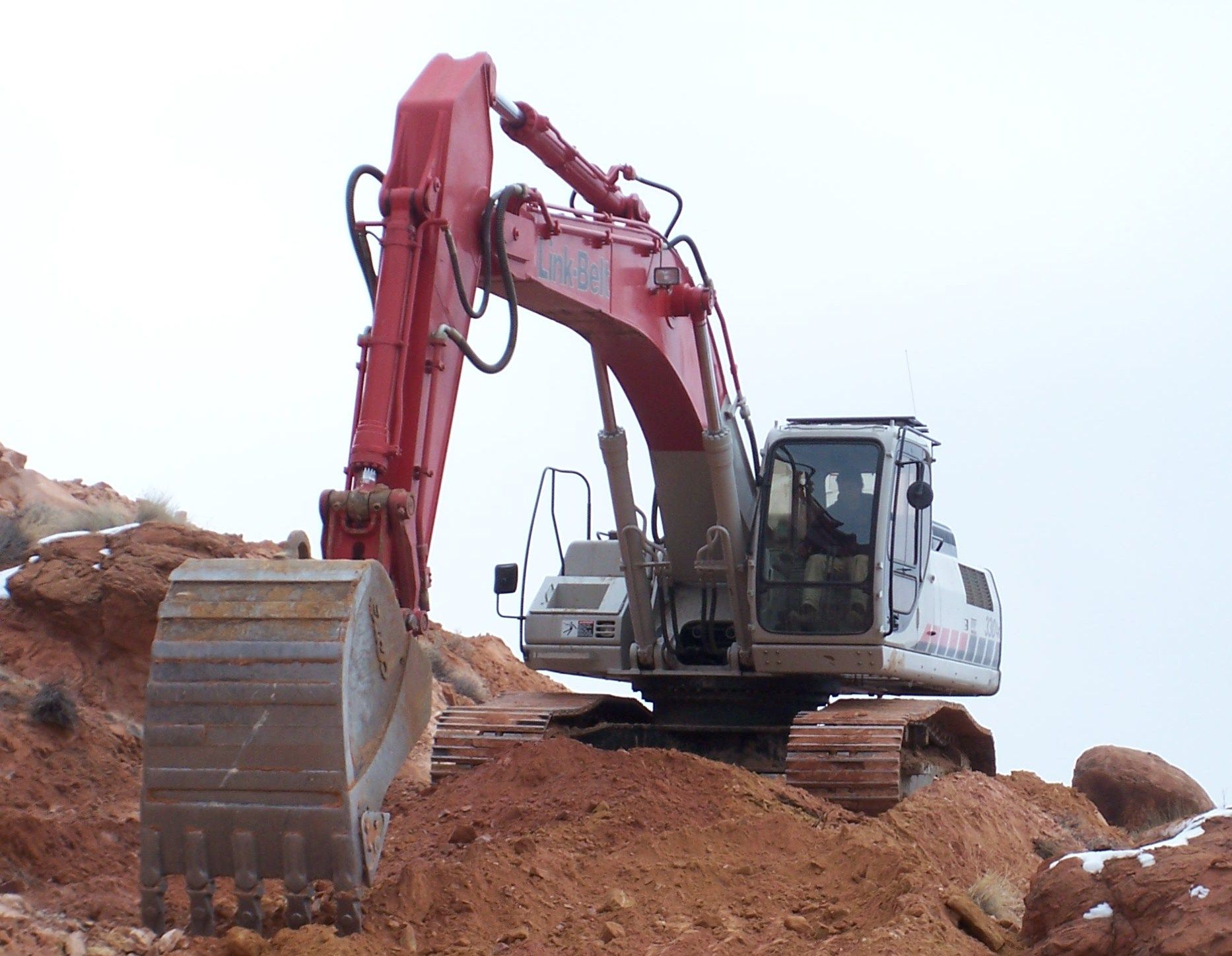
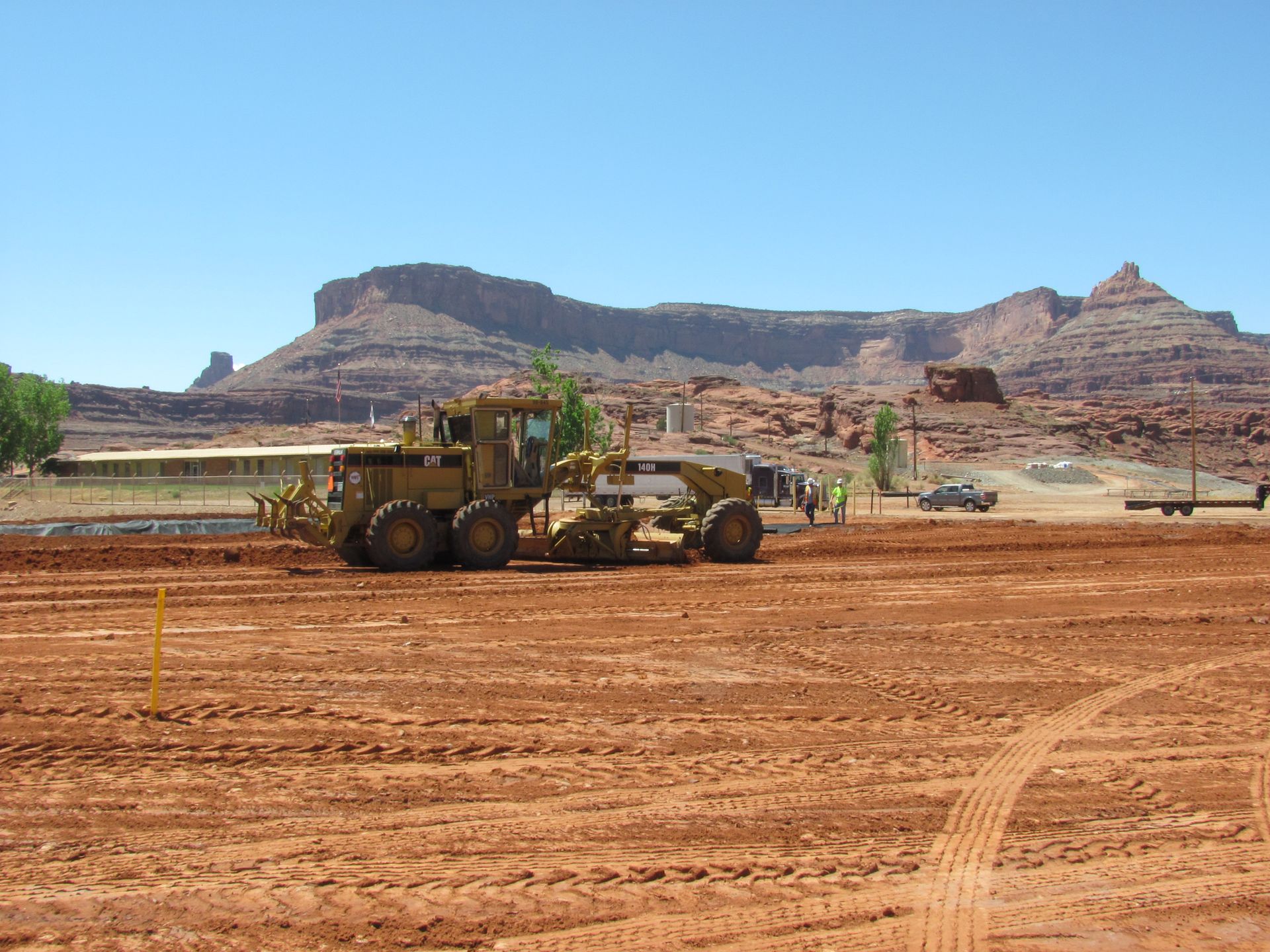
Moab's high desert landscape features a mix of sandstone, clay soils, and steep gradients. These geological factors require thorough planning and customized site preparation strategies. Additionally, Moab's proximity to national parks and protected lands makes environmental stewardship a critical aspect of any construction activity.
Before site work begins, comprehensive surveys and environmental assessments are conducted. These evaluations identify sensitive areas, underground utilities, and topographic features that will influence grading, access road placement, and pipeline alignment. In Moab, this often involves collaboration with local agencies, landowners, and environmental groups to ensure compliance with Bureau of Land Management (BLM) and Utah Department of Environmental Quality (DEQ) regulations. Key Elements of Pipeline Site Preparation in Moab:
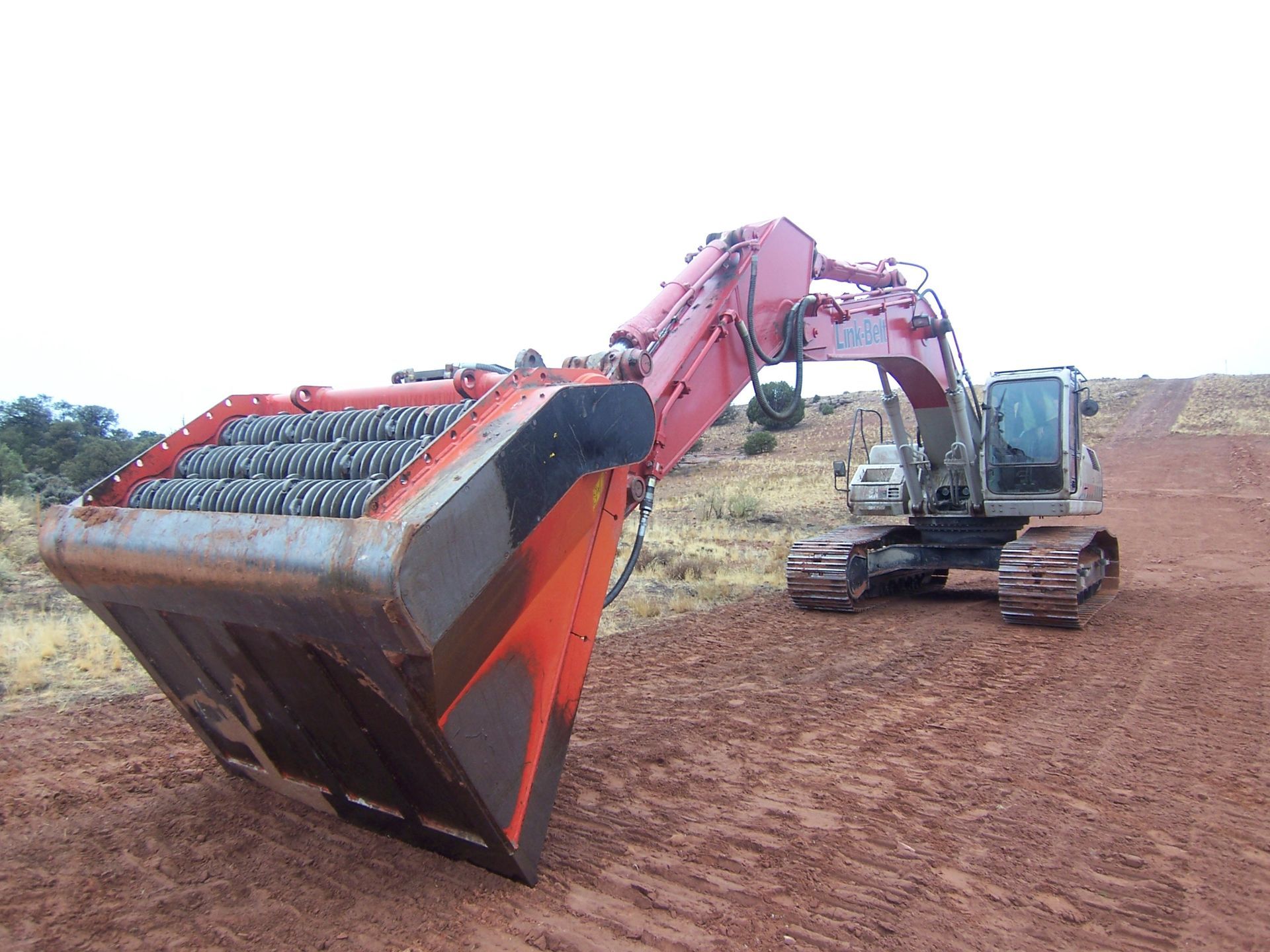
Clearing and Access Road Construction: Vegetation and rock must be cleared with minimal disturbance. Access roads are built using materials suited for desert conditions to provide a stable foundation for equipment and vehicles. Dust control measures, such as water trucks or soil binders, are essential to minimize air quality impact.
Surveying and Staking: Detailed staking ensures accurate pipeline alignment, trench location, and working area boundaries. GPS technology and topographic mapping tools enhance precision, particularly important in Moab's uneven terrain.
Grading and Soil Stabilization: The site is graded to ensure proper drainage and safe working conditions. In Moab, where sudden rain can cause flash flooding, grading must direct water away from trenches and equipment. Erosion control techniques—such as silt fences, berms, and vegetation mats—are implemented to stabilize disturbed areas.
Trench Preparation and Material Staging: Pipeline trenches must be excavated to exact depths and widths, accounting for Moab’s hard rock layers. Once trenches are ready, bedding materials like sand or gravel are laid to cushion the pipeline. Staging areas for pipe segments, tools, and machinery are organized efficiently to reduce unnecessary travel and environmental disruption.
Environmental Protection Measures: Protecting the local environment is a top priority. Crews are trained to recognize and avoid disturbing cultural sites, endangered species habitats, and archaeological features. Waste management plans, spill prevention protocols, and regular inspections ensure compliance with environmental standards.
Site preparation for pipeline construction in Moab, Utah, requires a careful balance between operational efficiency and environmental preservation. By understanding the unique geological and ecological conditions, pipeline companies can plan and execute their projects responsibly. Proper site preparation not only ensures project success but also contributes to the long-term sustainability of Moab's iconic landscape.
Speak to an Expert Today
Contact Us
We will get back to you as soon as possible.
Please try again later.
JARRELL OFFICE
MOAB UTAH OFFICE