
In the pipeline industry, underground utilities play a vital role in both the planning and execution phases of any project. For Utah-based pipeline companies, managing these utilities with precision is essential to maintaining safety, avoiding costly delays, and protecting existing infrastructure. With Utah's growing population, expanding infrastructure, and complex geological features, a strategic approach to underground utilities is more important than ever.

Practices for Effective Utility COordination
Pre-Work & Utility Mapping
Pipeline projects begin with detailed utility mapping and coordination with utility owners. This helps determine utility depth, material type, and alignment to avoid disruptions.
Soft-Digging Techniques
When working near known utilities, crews often use non-destructive methods- like hydro excavation- to expose utilities safely, which are especially useful in Utah's sensitive environmental areas.
Real-Time Utility Marking
GPS and GIS systems allow for real-time monitoring of utility locations and updates, minimizing the risk of error during excavation and trenching. Compliance with all regulations is crucial.
Practices For Effective Utility Coordination
Pre-Work & Utility Mapping
Pipeline projects begin with detailed utility mapping and coordination with utility owners. This helps determine utility depth, material type, and alignment to avoid disruptions.
Soft-Digging Techniques
When working near known utilities, crews often use non-destructive methods- like hydro excavation- to expose utilities safely, which are especially useful in Utah's sensitive environmental areas.
Real-Time Utility Marking
GPS and GIS systems allow for real-time monitoring of utility locations and updates, minimizing the risk of error during excavation and trenching. Compliance with all regulations is crucial.
Locating Underground Utilities Properly
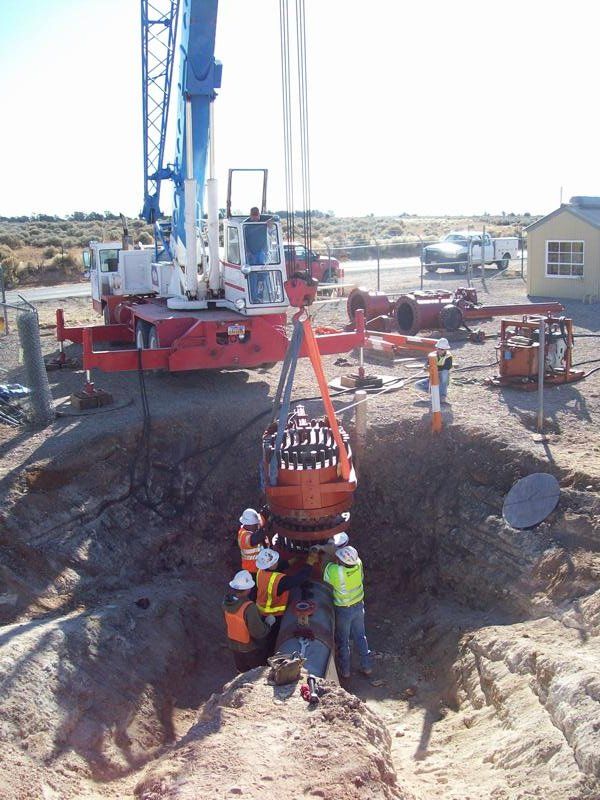
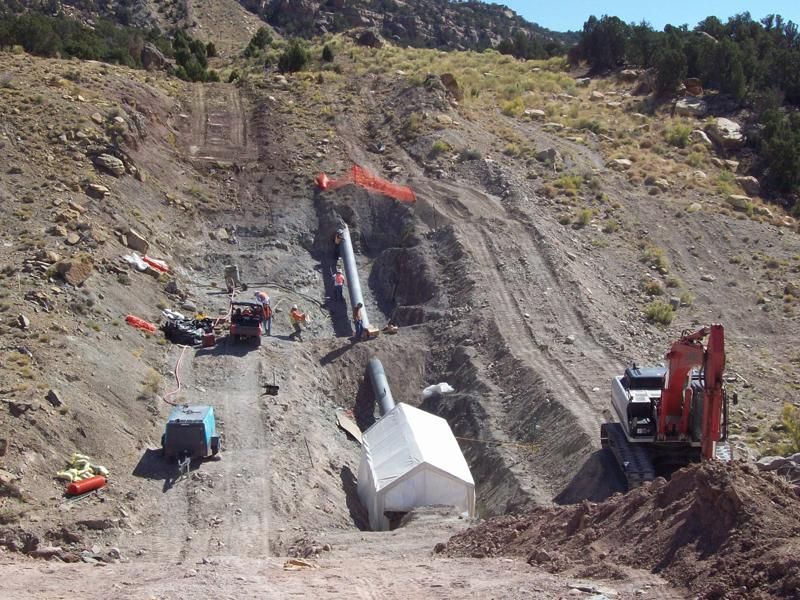
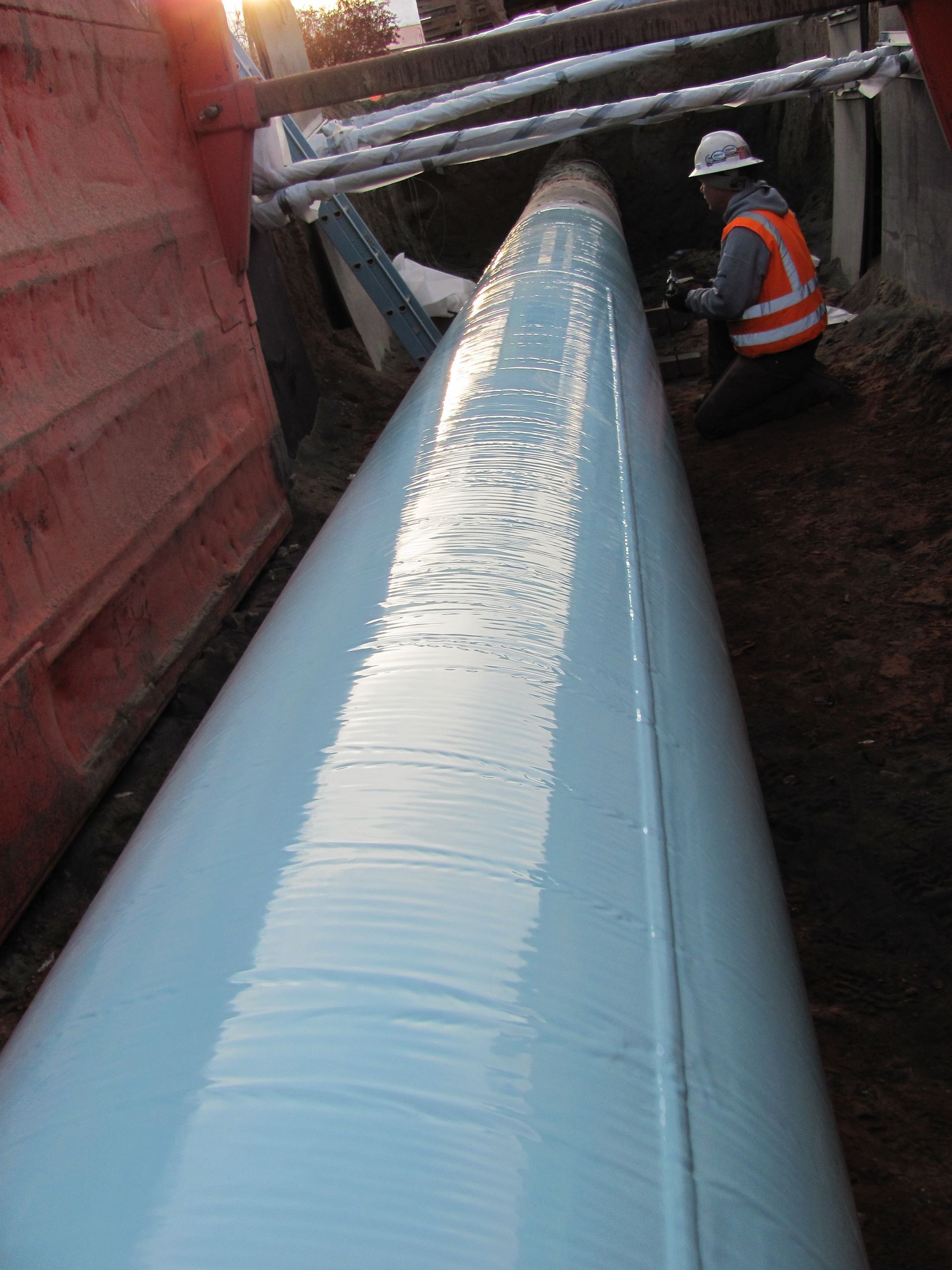
Before any digging or trenching begins, the first and most critical step is identifying existing underground utilities. This includes gas lines, water and sewer systems, electric cables, fiber optics, and communication lines. Striking one of these during excavation can lead to serious hazards, including service interruptions, environmental damage, or even injury.
Pipeline companies in Utah typically use advanced subsurface utility engineering (SUE) methods and ground-penetrating radar (GPR) to map underground utilities accurately. These tools allow crews to avoid conflicts with existing lines and ensure compliance with the "Call Before You Dig" 811 system, which is mandated by Utah law.
Utah's terrain adds an extra layer of complexity to underground utility management and conditions can vary drastically. Soil types range from sandy loam to hard clay and bedrock, all of which influence how utilities are detected and exposed.
Additionally, Utah's rapid development in both residential and commercial sectors increases the density and complexity of underground networks. In areas like Moab and Vernal, pipeline contractors must be particularly cautious of overlapping utility corridors, aging infrastructure, and undocumented lines.
- Pre-Construction Utility Mapping: Pipeline projects begin with detailed utility mapping and coordination with utility owners. This helps determine utility depth, material type, and alignment to avoid disruptions.
- Soft Digging Techniques: When working near known utilities, crews often use vacuum excavation or hydro excavation. These non-destructive methods expose utilities safely and are especially useful in Utah's urban and sensitive environmental areas.
- Real-Time Utility Monitoring: GPS and GIS systems allow for real-time monitoring of utility locations and updates, minimizing the risk of error during excavation and trenching.
- Regular Training and Safety Protocols: Utah pipeline crews receive ongoing training in utility safety, damage prevention, and emergency response to ensure preparedness and compliance with OSHA and local regulations.
Effective underground utility management relies on communication between pipeline companies, utility providers, government agencies, and landowners. In Utah, where infrastructure often intersects with public lands and tribal areas, transparency and cooperation are essential. Coordinating early and often reduces the risk of delays and fosters trust in local communities.
Underground utilities are a crucial consideration in every phase of pipeline construction in Utah. By embracing advanced technologies, adhering to strict safety standards, and prioritizing communication, pipeline companies can navigate the state’s diverse landscapes responsibly and efficiently. Proper management of underground utilities not only safeguards workers and the public but also protects vital infrastructure for generations to come.
Speak to an Expert Today
Contact Us
We will get back to you as soon as possible.
Please try again later.
MOAB UTAH OFFICE